Snoopy Script Font for Handmade Creations
There’s something magical about the moment you see a font come to life on paper. I was designing a candle label one afternoon, experimenting with different typefaces, when I stumbled upon Snoopy. The instant I applied it to my mockup, I knew this was the one—charming, elegant, and just right for the kind of handmade products I create.
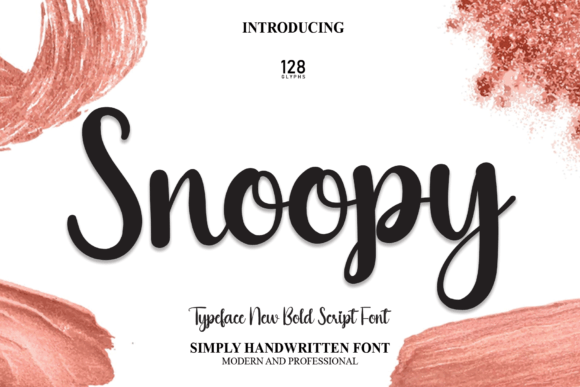
Snoopy is more than just a script font; it’s a style that feels handwritten yet refined. It carries a softness that makes it perfect for wedding invitations, thank you cards, and even boutique tags. Its curves and gentle flourishes give it a personal touch, as if each letter was penned by hand rather than printed out of a machine.
I’ve used it on greeting cards recently, and the response has been warm. It adds a layer of intimacy to the design, making every card feel like a heartfelt message. Whether I’m working on planner pages or printable wall art, Snoopy brings a sense of charm that elevates the overall look.
One of the first things I noticed about Snoopy was how well it works on small surfaces. I tested it on a sticker sheet, and it looked stunning—clear, legible, and full of character. It’s ideal for product labels, packaging design, and even digital downloads. For someone who makes a lot of seasonal products, like holiday tags or farmhouse signs, having a font that feels both classic and fresh is a game-changer.
When it comes to using Snoopy in real-world applications, I find it especially effective for short phrases, names, and titles. It’s not meant for long paragraphs, but for display purposes, it shines. I often pair it with a clean sans serif font for balance, which helps keep the design from feeling too ornate. This combination works beautifully on tote bags, shirts, and even shop branding.
I also appreciate how versatile Snoopy is across different mediums. It looks great on printed cards, digital templates, and even when cut with a Cricut or Silhouette. When I prepare mockups for my listings, I make sure to test how it appears on various materials—matte, glossy, or textured paper. It always holds up well, maintaining its elegance no matter the surface.
Before I started selling physical products or digital printables, I made sure to check what styles, alternates, ligatures, and weights came with Snoopy. Having access to these options allows me to customize my designs without compromising quality. It’s important to know whether the font supports multilingual characters, especially if you’re planning to use it for international markets or diverse customer bases.
For those of you who are into planner pages or editorial design, Snoopy can be a delightful addition to your toolkit. It adds personality to journaling sections, event calendars, and even weekly planners. I’ve used it on a few printable wall art pieces, and it gives them a cozy, inviting feel—perfect for farmhouse or rustic-themed decor.
Another thing I love about Snoopy is how it contributes to brand consistency. Whether I’m designing a wedding welcome board or a boutique tag, using the same font across all my products helps customers recognize my work. It builds familiarity and trust, which is essential for any handmade seller looking to grow their business.
If you're thinking about using Snoopy for your own projects, I recommend starting with a few samples. Try it on different backgrounds and sizes to see how it behaves. Pay attention to readability, especially if you plan to use it on small stickers or product labels. A little experimentation goes a long way in finding the right fit for your creative vision.
Snoopy isn’t just a font—it’s a creative companion that helps bring ideas to life. From candle labels to wedding stationery, it adds a touch of elegance that resonates with customers. As a maker, I value fonts that not only look good but also serve a purpose, and Snoopy definitely checks that box.
Whether you're crafting for your own shop or creating digital assets to sell online, Snoopy offers a unique blend of charm and versatility. It's a font that invites connection, and that’s something every designer should appreciate.