Silly Lily Font for Playful Editorial Design
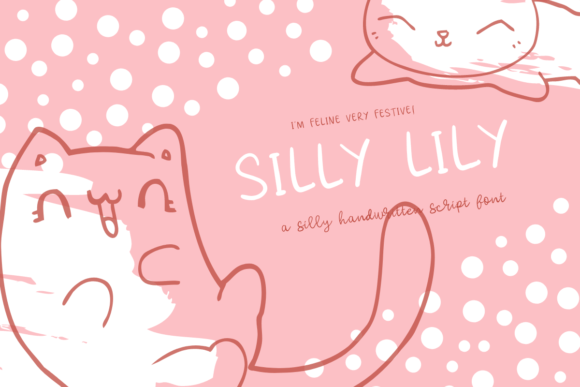
Silly Lily is a handwritten script font that brings a sense of whimsy and charm to editorial design. Inspired by the playful nature of independent cats, this quirky typeface adds personality to any project. Whether you're designing a blog header, a magazine cover, or a printable guide, Silly Lily offers a unique visual character that stands out from traditional fonts.
As a designer focused on both aesthetics and readability, I appreciate how Silly Lily balances fun with functionality. Its irregular strokes and organic feel make it ideal for creative projects where a touch of humor or playfulness is needed. This font works especially well in environments where the tone is light-hearted, such as lifestyle blogs, recipe books, or wedding guides.
Visual Characteristics and Editorial Appeal
Silly Lily has a messy yet inviting script style that mimics the natural flow of handwriting. The uneven lines and slight imperfections give it an authentic, handcrafted look. This makes it particularly suitable for content that aims to evoke warmth, creativity, or a personal touch.
The font's playful nature can be used effectively in section headings, pull quotes, and chapter openers. It adds visual interest without overwhelming the reader, making it a great choice for breaking up dense text blocks in articles, e-books, or newsletters.
Applications in Editorial Design
Silly Lily can enhance various aspects of editorial design. For instance, using it in blog headers or newsletter graphics creates a welcoming and approachable atmosphere. Pairing it with a clean sans serif font for body copy ensures readability while maintaining a cohesive visual identity.
In a digital magazine layout, Silly Lily could be used for feature titles or article intros, drawing attention with its lively character. Similarly, in a printable planner or coaching workbook, it adds a friendly and engaging tone to section headings and prompts.
For brand identity, Silly Lily can be incorporated into logos, social media graphics, or packaging design. Its unique personality helps establish a distinct visual presence that resonates with audiences who appreciate creativity and originality.
Readability Considerations
While Silly Lily is best suited for display purposes, it's important to consider its legibility across different mediums. When used for screen reading, ensure that the font size is large enough to maintain clarity on mobile devices and desktops. In PDF exports and print formats, test the font at various sizes to confirm that it remains readable and visually appealing.
For longer passages, avoid using Silly Lily as the primary body text. Instead, reserve it for accents, headings, or pull quotes. This maintains a balance between visual appeal and readability, ensuring that the content remains accessible to all readers.
Font Pairing and Stylistic Choices
To create a harmonious layout, pair Silly Lily with a complementary font. A classic serif font like Georgia or Times New Roman can provide contrast and structure when used for body copy. Alternatively, a modern sans serif font such as Helvetica or Arial can offer a clean backdrop for captions, navigation menus, or footnotes.
Explore the font’s included styles, alternates, ligatures, and weights if available. These variations can add depth to your design, allowing for subtle changes in tone or emphasis. Additionally, check for multilingual support if your publication targets a global audience.
Commercial Use and Licensing
If you're planning to use Silly Lily in commercial projects such as ebooks, templates, printables, paid newsletters, client publications, or digital downloads, ensure that you have the appropriate commercial license. Many premium fonts require specific permissions for these uses, so always review the licensing terms before incorporating them into your work.
By selecting the right font license, you protect your creative work and ensure that you're complying with legal requirements. This is especially important when working with clients or publishing content for sale.
Practical Examples in Real Projects
Imagine using Silly Lily for a lifestyle blog that focuses on pet care and home decor. Its playful style would align perfectly with the content, adding a lighthearted tone to posts about cat-friendly living spaces or DIY crafts. In a recipe ebook, Silly Lily could highlight ingredient lists or step-by-step instructions, making the content more engaging and memorable.
For a wedding guide, Silly Lily might be used in invitations, thank-you notes, or event programs, creating a charming and personalized feel. In a digital magazine focused on creative writing, it could serve as a title font for short stories or poetry sections, enhancing the overall narrative experience.
When designing a printable planner or worksheet, Silly Lily adds a fun and interactive element to prompts, reminders, or motivational messages. This makes the content more relatable and enjoyable for users.
Finally, in a creator newsletter, Silly Lily can be used for subject lines, call-to-action buttons, or featured content highlights. Its distinctive style helps draw attention and encourages engagement with the material.